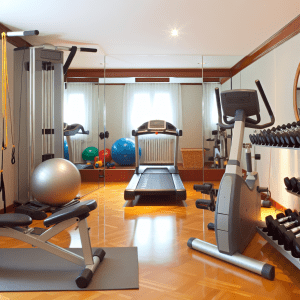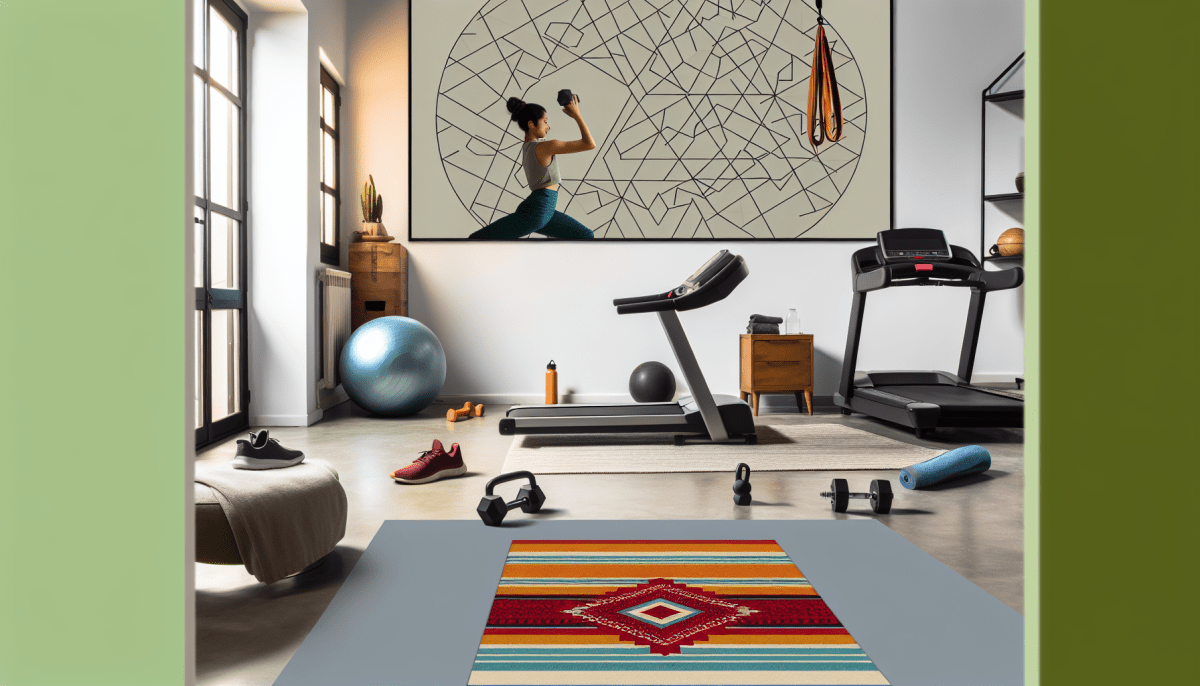
Creating a safe workout space at home is super important for making sure your exercise routine is both effective and free of injuries. A little planning goes a long way, so let’s dive into some simple tips to help you set up your area.
First, choose a dedicated space where you can move freely. This can be a spare room, a corner of your living room, or even your garage. Make sure you have enough room to stretch out, jump around, or use any equipment without bumping into furniture or walls. A clear area helps keep distractions at bay, too!
Next, think about your flooring. If you're exercising on a hard surface like tile or hardwood, consider using a yoga mat or interlocking foam tiles to create a cushioned surface. This helps reduce the impact on your joints and makes certain exercises more comfortable. Plus, it keeps you from slipping around during those sweaty sessions!
Lighting is another key factor. Bright, natural light can lift your mood, but if you’re working out in the evening, make sure you have a well-lit space. Avoid any harsh overhead lights that might cast strange shadows. Good lighting helps you see your form clearly and keeps you aware of your surroundings.
Lastly, keep your equipment organized and away from walkways. Whether you have dumbbells, resistance bands, or yoga props, store them neatly when not in use. This prevents tripping hazards and makes setting up for your next workout a breeze. Plus, it’ll help you feel more motivated to work out in a tidy, organized space!
Use Proper Equipment for Safety
When you’re working out at home, safety should always be your top priority. Using the right equipment can make a huge difference—not just in your performance but also in preventing injuries. Let’s dive into some essentials you might want to consider.
First up, proper footwear is a must. Whether you're jogging in place or doing high knees, having supportive shoes can keep your feet comfortable and your joints protected. Look for shoes that fit well, provide good arch support, and have a non-slip sole. This simple change can help you stay focused and avoid slips or sprains.
Next, think about your workout surface. If you’re on a hard floor, consider using a yoga mat or an exercise mat. They provide cushioning, which can help protect your knees and back during exercises like planks or lunges. Plus, they give you a designated space for your workouts, helping to keep your focus.
Finally, don’t overlook basic equipment like resistance bands or light weights. These can enhance your workouts without requiring a ton of space or a complicated setup. Just be sure to use weights that are manageable for you, and always prioritize proper form over lifting heavier loads. A little goes a long way when it comes to safety!
Warm Up to Prevent Injuries
When you're ready to get your sweat on at home, warming up is a must. It’s not just about preventing injuries; it’s also about getting your body ready to perform at its best. Think of warming up as giving your muscles a friendly nudge to wake up and get ready to work.
A good warm-up routine generally includes some dynamic stretches and light cardio. You don’t need to spend an hour doing this—just 5 to 10 minutes will do. Here are a few quick warm-up ideas:
Remember, the goal is to get your blood flowing and your muscles warmed up, not to tire yourself out. If you start feeling fatigued, slow down or switch to a gentler movement. Listen to your body—it knows best!
Listen to Your Body While Exercising
When you’re working out at home, it’s easy to get caught up in the routine and push yourself a bit too hard. That’s why listening to your body is super important. If something feels off, don’t ignore it! A little twinge can turn into a bigger problem if you aren’t careful.
Pay attention to different signals your body sends you, like:
It’s okay to modify exercises or take breaks. Everyone’s fitness journey is unique, and what works for someone else might not work for you. Trust your judgment, and don’t hesitate to switch things up if needed. Your body knows best!
Finally, remember that rest is just as important as the workout itself. It’s when your body repairs and gets stronger. So listen closely, take note of how you feel, and you'll set yourself up for a happier and healthier at-home fitness experience.